KHIDNET-U works with Community Health Workers (CHWs) under its coverage to improve the MCHN outcomes in Uganda. We also work with Health facilities, MOH, and other community leaders to boost and achieve our objectives under MCHN programme. We have been able to train our CHWs and frontline health workers (Midwives) to respond to issues of the child, mother among others.
Our MCHN Model
Kinga Health Initiative and Development Networks MCHN model is Community Led, where community leaders (Community Health workers, Local leaders) and front health professionals are empowered to support community healthcare services across the whole continuum of Maternal care. We have achieved the following under the MCHN.
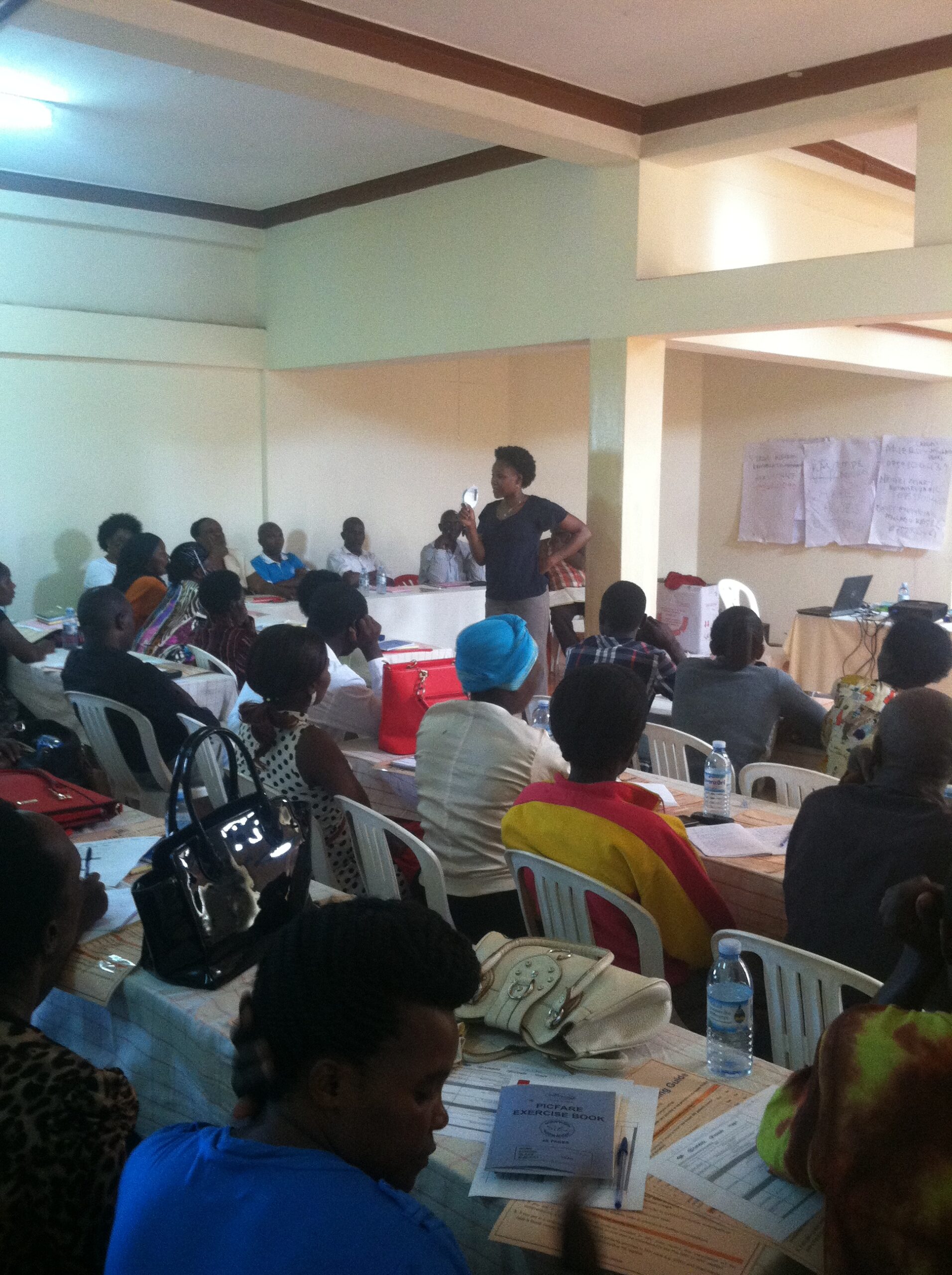
- Community dialogue and communications conducted. We conduct community barazas with Local leaders, the beneficiaries, CHWs to promote the uptake of maternal services by the pregnant women. In these meetings, leaders are urged to always guide and follow up on the pregnant mothers to have their antenatal visits and deliver at the health-based facility. Community dialogue meetings have been conducted in Kampala, Wakiso, Mityana, Buhweju, Kyotera, Gomba, Lwengo and Rakai districts, and over 15000 people reached.
- Training and mentoring the attendants/Males/Husbands of the pregnant mothers. One of the major challenges were the pregnant mothers being attended to by unskilled persons, and these are a contributing factor, and through our community outreach programs, these have been trained. We aim to reach out to the male partners to support in the whole maternal care including antenental, family planning, delivery, and postnatal, some have turned up while others send in their relatives, and so far 600 male partners have be mentored and trained.
- Radio talk shows, on issues of Maternal Child Health and Nutrition. These have been conducted in Kampala, wakiso and Mukono, were mothers have been urged to go and deliver at the health facility but also ensure children are safe after birth. These Radio Campaigns are still ongoing and continue to be conducted, and over 19000 people have been reached with the information.
- Through our advocacy programs of ensuring safe birth and saving lives at birth, we are working with different policy makers including the Local Governments leadership and the line Ministry, to ensure equipment and other services are available for mothers to survive, and this is done through advocacy meetings
5. Community Outreach campaigns on issues of MCHN. These are purposely conducted in the densely populated areas like market centres, major trading centres, where HIV/AIDS testing is done more so targeting pregnant mothers and encouraging them to ensure they give birth at the health facility among others.
6. Home Visits conducted. We conduct home visits using our CHWs, to marginalized pregnant mothers and lactating mothers as well, where they are guided on maternal protocols but also integrating maternal and nutrition services.
7. We have created an enabling environment at home and at community, where the husbands, the inlaws, are involved in the support of the mothers. This is also done through the established community support groups that have been formed, and are facilitated and guided on what to do during the meetings.
8. Training VHTs/CHWs to improve the general primary healthcare of the communities but more so aiming to improve the maternal health and nutrition outcomes in Uganda.